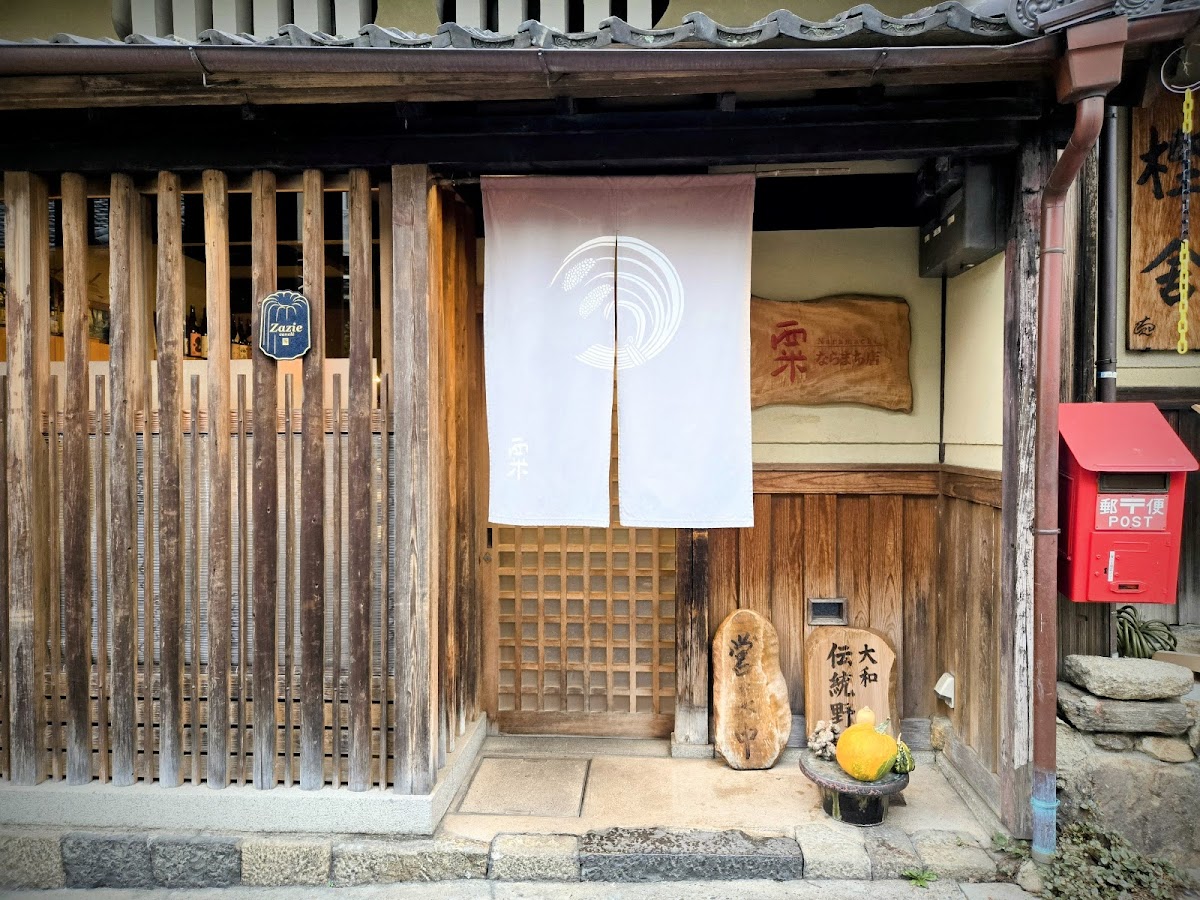
Very traditional Kaiseki on a 140 year old town house in Nara. They use only local and fresh ingredients. They specialize in vegetable dishes and you can see that they are able to bring out all the flavors from different ingredients in the same dish. The staff was very friendly and took good care of us. Their desserts are also very good!
Overview
Tucked away in the quiet streets of Naramachi, Awa Naramachi feels like the kind of place you almost want to keep to yourself. Set at Additional 1 Shonamicho, Nara, 630-8363, Japan, this traditional-style restaurant blends seamlessly into the historic neighborhood, where wooden townhouses and narrow lanes still echo the atmosphere of old Nara. I remember walking there just before sunset, the lanterns starting to glow, and thinking how perfectly the setting matched the meal I was about to have.
The location alone makes it worth the visit. Naramachi is known for its preserved machiya townhouses, and according to the Nara City Tourism Association, this district attracts thousands of visitors each year for its cultural heritage and Edo-period architecture. Dining here isn’t just about food; it’s about immersing yourself in a living piece of Japanese history. Awa Naramachi captures that spirit beautifully.
Inside, the décor is understated yet warm-tatami seating, wooden beams, and soft lighting that creates a calm, intimate atmosphere. The staff greeted me with genuine hospitality, something Japan is globally recognized for under the concept of omotenashi. The service felt attentive without being intrusive, and that balance is harder to achieve than it looks. In fact, hospitality studies from the Japan National Tourism Organization often highlight how personalized service significantly enhances visitor satisfaction. You can see that principle in action here.
The menu focuses on seasonal Japanese cuisine, with an emphasis on locally sourced ingredients from Nara Prefecture. I opted for a kaiseki-style set meal, which is essentially a multi-course dining experience rooted in centuries-old culinary traditions. Kaiseki isn’t just about taste; it’s about harmony-color, texture, temperature, and presentation all matter. Each dish arrived like a small piece of art. Fresh sashimi was sliced with precision, tempura came light and crisp, and the simmered vegetables carried a delicate dashi flavor that felt both comforting and refined.
One standout dish was the grilled fish, seasoned simply with salt to let the natural flavors shine. According to the Japanese Ministry of Agriculture, seafood consumption remains a cornerstone of traditional Japanese diets, often linked to longevity and balanced nutrition. You could taste that philosophy here-nothing overly complicated, just clean, honest cooking.
Reviews from both locals and travelers often mention the consistency of the food quality. During my visit, I noticed a mix of regular customers and curious tourists, which is usually a good sign. When a restaurant can satisfy both groups, it’s doing something right. I spoke briefly with a couple from Osaka who said they return every season to try the updated menu. Seasonal rotation isn’t just a marketing gimmick; it reflects Japan’s deep respect for shun, the idea of enjoying ingredients at their peak.
Pricing is fair considering the craftsmanship involved. Kaiseki meals require meticulous preparation-multiple cooking techniques, precise plating, and timing coordination. From a professional standpoint, having worked in hospitality consulting, I can say that this level of execution demands both culinary expertise and operational discipline. Awa Naramachi manages both without making it look forced.
Another detail worth noting is the quiet ambiance. Unlike busier city-center restaurants, this place invites you to slow down. The pacing of the courses encourages conversation and reflection. It’s the kind of dining experience where you actually notice the aroma of freshly grated wasabi or the subtle sweetness of seasonal persimmons.
If there’s any limitation, it’s that English explanations of the menu can sometimes be brief. However, the staff does their best to clarify dishes, and honestly, part of the charm lies in discovering something new. For travelers unfamiliar with traditional Japanese dining, that small uncertainty can turn into a pleasant surprise.
In a city famous for Todai-ji Temple and friendly deer roaming Nara Park, finding a restaurant that feels authentic rather than tourist-driven is refreshing. Awa Naramachi offers more than just a meal; it delivers a thoughtful culinary journey rooted in culture, seasonality, and genuine hospitality. Whether you’re planning a quiet dinner after exploring Naramachi’s historic streets or searching for refined Japanese cuisine in Nara, this spot deserves a place on your list.
Good to know
Service options
✓ Dine-in ✓ DeliveryPopular for
✓ Lunch ✓ DinnerAccessibility
✓ Wheelchair-accessible car park ✓ Wheelchair-accessible entrance ✓ Wheelchair-accessible seatingOfferings
✓ Alcohol ✓ Beer ✓ Coffee ✓ Organic dishes ✓ Small plates ✓ WineDining options
✓ Lunch ✓ Dinner ✓ Dessert ✓ Table serviceAmenities
✓ Smoke-free place ✓ ToiletAtmosphere
✓ Cosy ✓ Quiet ✓ Trendy ✓ UpmarketCrowd
✓ TouristsPlanning
✓ Lunch reservations recommended ✓ Reservations required ✓ Dinner reservations recommended ✓ Accepts reservationsPayments
✓ Credit cards ✓ PayPay ✓ Credit cardsChildren
✓ Kids' menuPhotos
1 / 4
Location
Reviews
- No ratings yet 391 reviews
Amazing food, service and vibe. Very Japanese with a lot of vegetables from the local region and beef. Really really delcious food served impeccably. In a small old Japanese Inn. This was first class in every way. Highly recommended
Superb vibe and extraordinary service. I would like to specially thank Ms Konako and other staffs serve us. They did their best to serve us without being able to speak Japanese but try to understand all Japanese special vegetables and cooking techniques. Konako sang even gave us a sticky note to teach us the phrase we learnt from her. We are very thankful for the hospitality of Awa Naramachi.
Excellent dining experience in Nara, the menus are made with local ingredients made in different ways. They take the time to explain the ingredients and provenance of each dish.
Delicious traditional Nara Kaiseki meal with many courses. Each dish was beautifully presented and unique. Every flavour was rich, subtle and delightful.
Tasty conveyor belt sushi. You can also order fresh. Not much English spoken but there is an English menu and you can point to pictures. Cute little tea bar at the table too.